
Grease Trap Maintenance
Indoor & Outdoor Grease Traps
Restaurants, Cafeterias & Food Facilities
Prompt, Professional Service
Call to discuss your grease trap cleaning needs, your location, and the type of equipment that needs service. We'll review the details and help determine the right service for your business.
Based on the information provided, we'll prepare a quote for the requested grease trap cleaning service and schedule a convenient appointment once everything is approved.
A service provider arrives at the scheduled time, performs the grease trap cleaning, and finishes the work so your system is ready for regular operation.
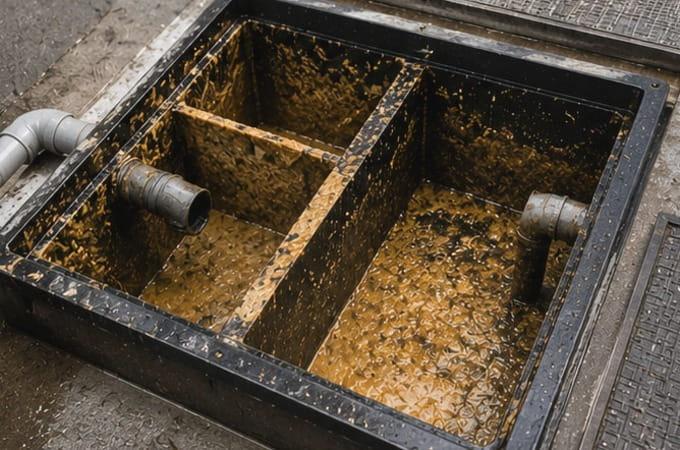
Our grease trap cleaning service removes built-up grease and food waste, preventing...
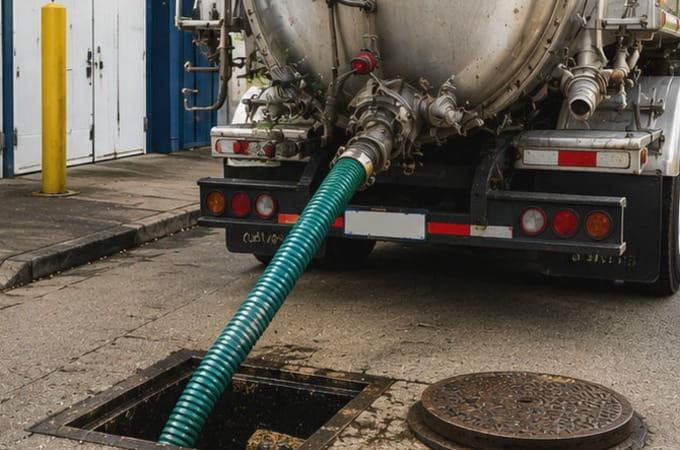
Our grease trap pumping services are designed to remove built-up fats, oils, and...
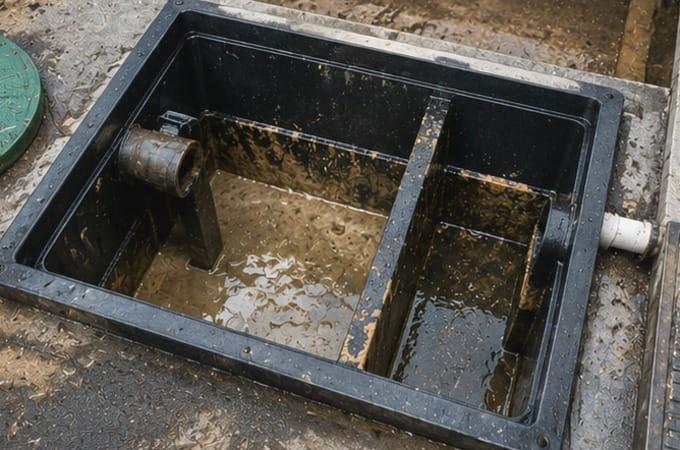
Our professional grease interceptor cleaning services effectively remove built-up...
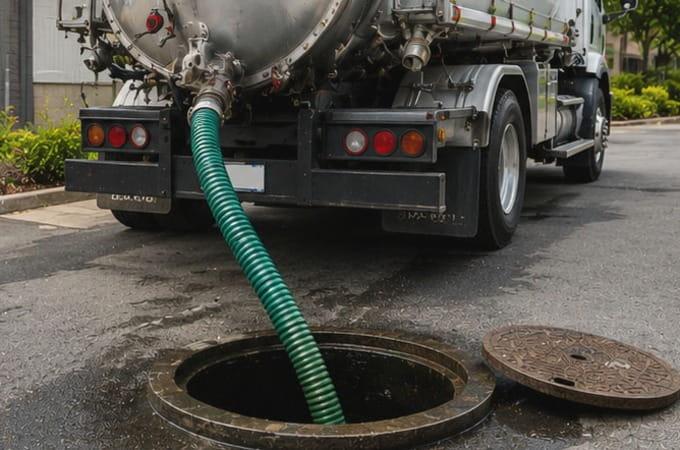
Our professional grease interceptor pumping service will remove built-up fats, oils,...
Contact us today and let our technicians handle the dirty work quickly and professionally.
Call (888) 905-7590Grease traps and grease interceptors play an important role in keeping commercial kitchens in Sterling MA operating properly by capturing oils, grease, and fats before they enter the plumbing system. Regular maintenance helps reduce buildup that can cause unpleasant odors, slow drains, and interruptions during normal business operations. Whether you manage a restaurant, food truck, grocery store, hotel, cafeteria, school, or another food service facility, routine service is a vital part of maintaining your system. Professional grease trap pumping removes accumulated waste, while grease interceptor cleaning provides the same level of care for larger systems designed to handle higher volumes. Keeping these systems clean supports daily operations in Sterling and helps businesses stay prepared for routine inspections and ongoing maintenance needs.
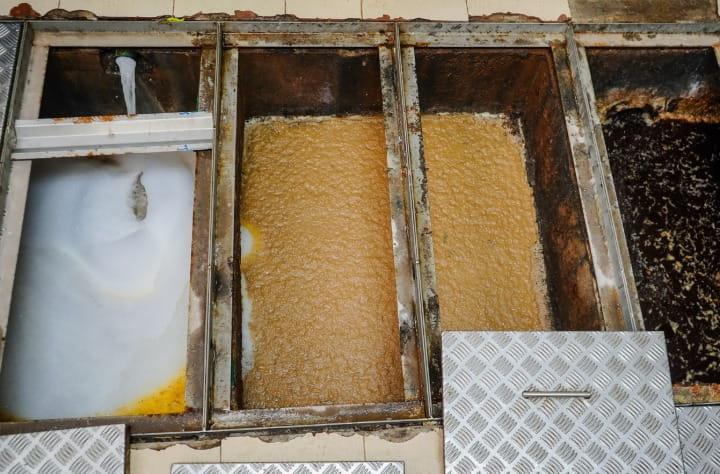
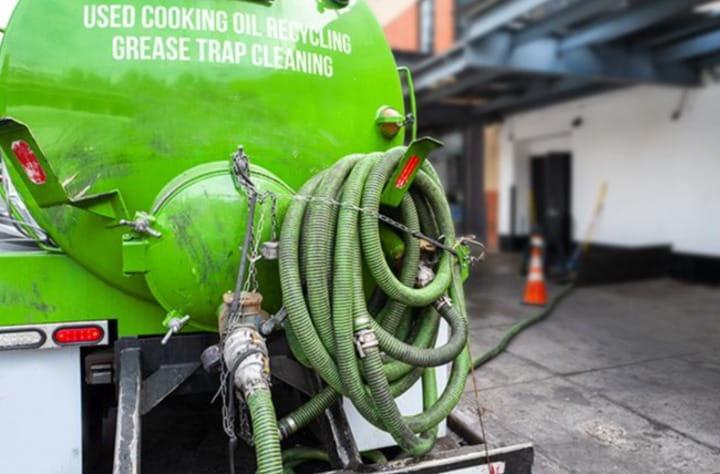
Every property has different service requirements based upon grease production, kitchen activity, and the size of the equipment installed. Some facilities benefit from regular maintenance throughout the year, while others might only require service when the trap or interceptor reaches a certain level of accumulation. Grease trap cleaning removes solidified grease and debris from inside the unit, while grease trap pumping clears out the collected waste for proper disposal. Larger facilities often rely on grease interceptor cleaning and pumping to keep high-capacity systems working properly. Service can be performed for restaurants, event venues, health care facilities, commercial kitchens, schools, and many other businesses in Sterling that prepare food regularly. Routine maintenance also helps make future cleanings more manageable by keeping grease accumulation under better control.
Working with an experienced service provider makes it easier to keep grease management on schedule without interruptions. From one-time cleanings to routine appointments, services are available to match the needs of different commercial properties and kitchen operations in Sterling MA. Service technicians arrive with the equipment needed to remove waste, grease, and debris from the system before cleaning the interior and completing the pump-out process. Whether the job involves a compact grease trap or a large grease interceptor, each service is completed with attention given to the condition of the equipment and the amount of material that has collected. Grease trap and interceptor cleaning services work together to help businesses maintain reliable kitchen operations while reducing the risk of preventable plumbing problems caused by grease buildup.
Cleaning frequency depends on the size of the grease trap, the amount of grease produced, and how often the kitchen is used. Many commercial kitchens schedule service every 1 to 3 months, while higher-volume facilities may require more frequent visits. A regular cleaning schedule helps keep grease from building up in the system in Sterling.
A typical service includes removing sludge, wastewater, and grease from the trap, cleaning the interior surfaces, and checking the unit for visible buildup that could affect normal operation.
Restaurants, cafeterias, grocery stores, food processing facilities, hotels, schools, and other commercial kitchens commonly require grease trap cleaning to help manage fats, oils, and grease.
Yes. Heavy grease production, delayed maintenance, or food waste can cause buildup that restricts flow. Keeping to a routine cleaning schedule can help reduce the chance of clogs.
Grease trap pumping focuses on removing the collected contents from the unit, while grease trap cleaning also includes washing down interior surfaces to remove remaining grease and residue.
Yes. Grease interceptors collect larger volumes of oils, grease, and fats than standard traps and should be pumped and cleaned on a routine basis to help maintain proper performance.
Routine maintenance helps reduce grease buildup, supports proper drainage, and can help minimize unpleasant odors and unexpected interruptions in kitchen operations.
Removing accumulated food waste and grease often reduces odors that develop inside the trap, especially when the unit has gone an extended period without cleaning.
Keeping the grease trap accessible and providing clear access to the work area can help the appointment move more efficiently. Sharing basic information about the trap size and location before the visit is also helpful.